

Winter hasn’t arrived yet, but your boat needs to be ready.
Months without sailing can cause damage that you’ll only discover when it’s time to get back on the water. An engine that won’t start, dead batteries, signs of corrosion, or mold inside the cabin are problems that can turn your return to sailing into an unexpected list of repairs.
The good news? Most of these problems can be avoided with proper preparation before winter, and the precautions you need to take depend, above all, on where the boat will be stored during the cold season.
FOR BOATS THAT REMAIN IN THE WATER
Maintaining your watercraft during the winter requires regular attention. Humidity and storms can accelerate wear and tear on various components and compromise safety.
Whether you own a Sail-boat or a motorboat, there are some precautions you shouldn’t overlook.
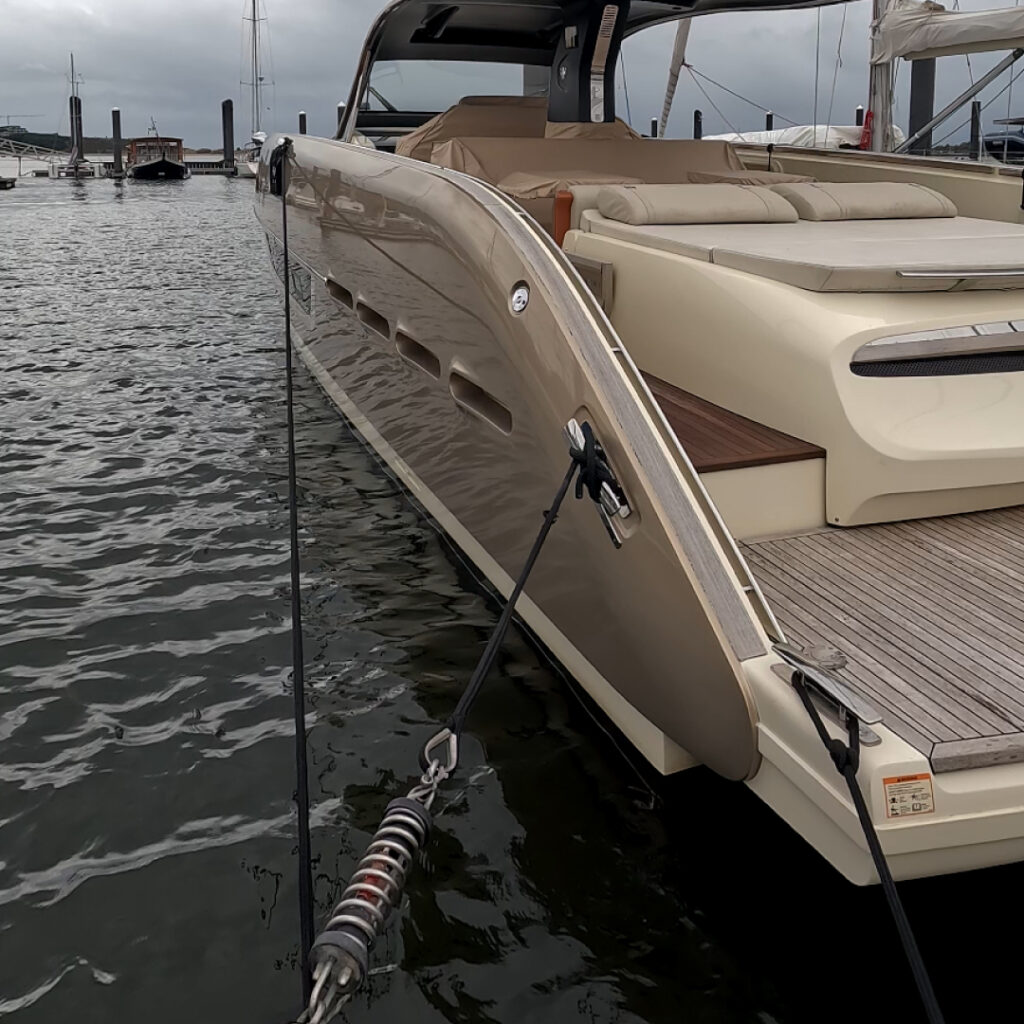
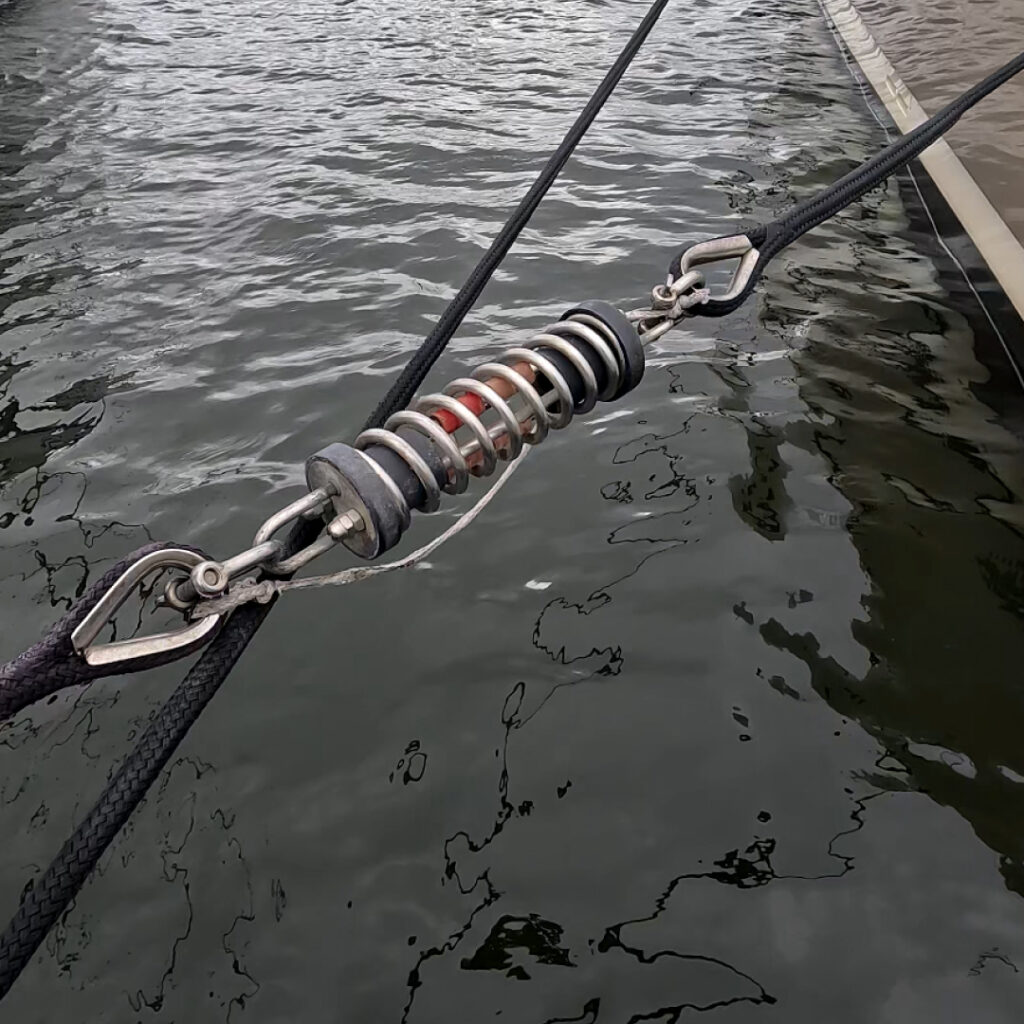
• Inspect and reinforce the mooring lines: During the winter, strong winds and swells can put the mooring system to the test. If the mooring lines are not in good condition, the boat may sustain damage from colliding with the dock or other vessels.
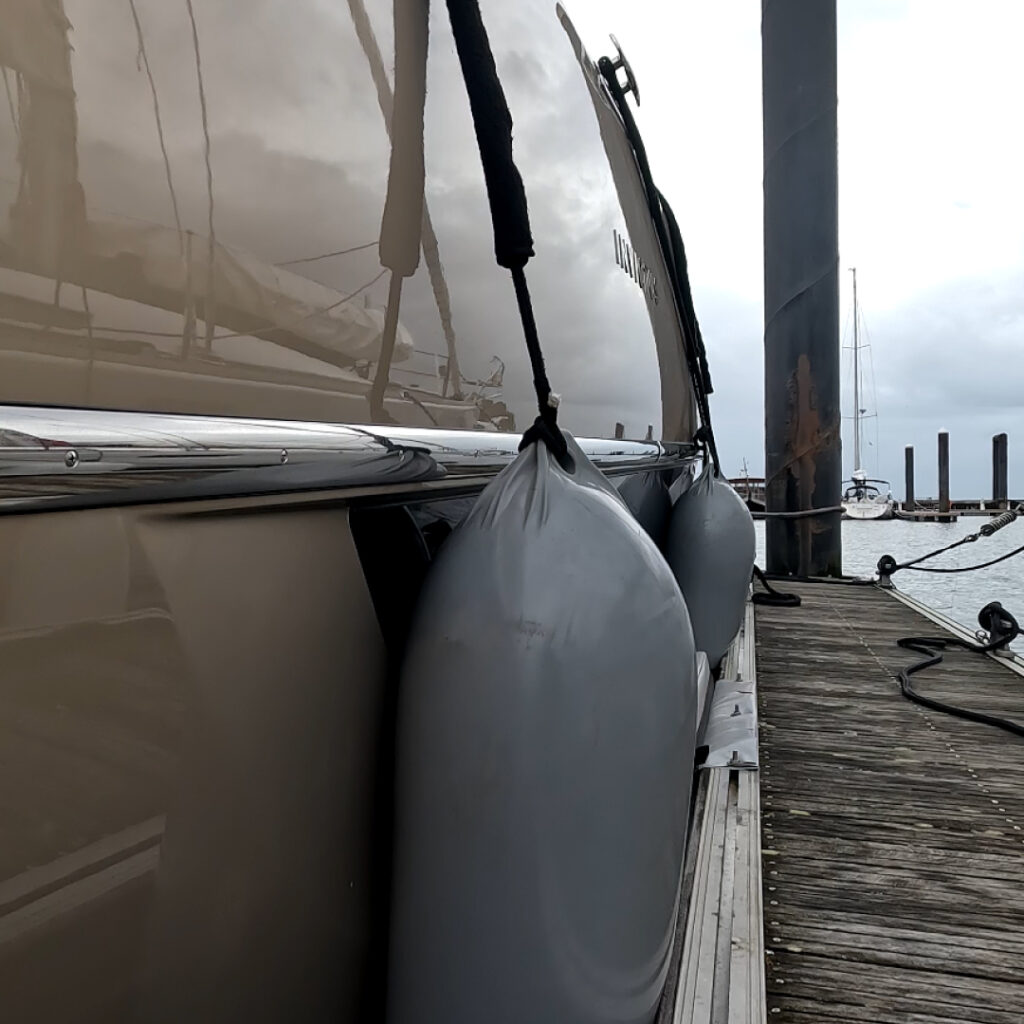
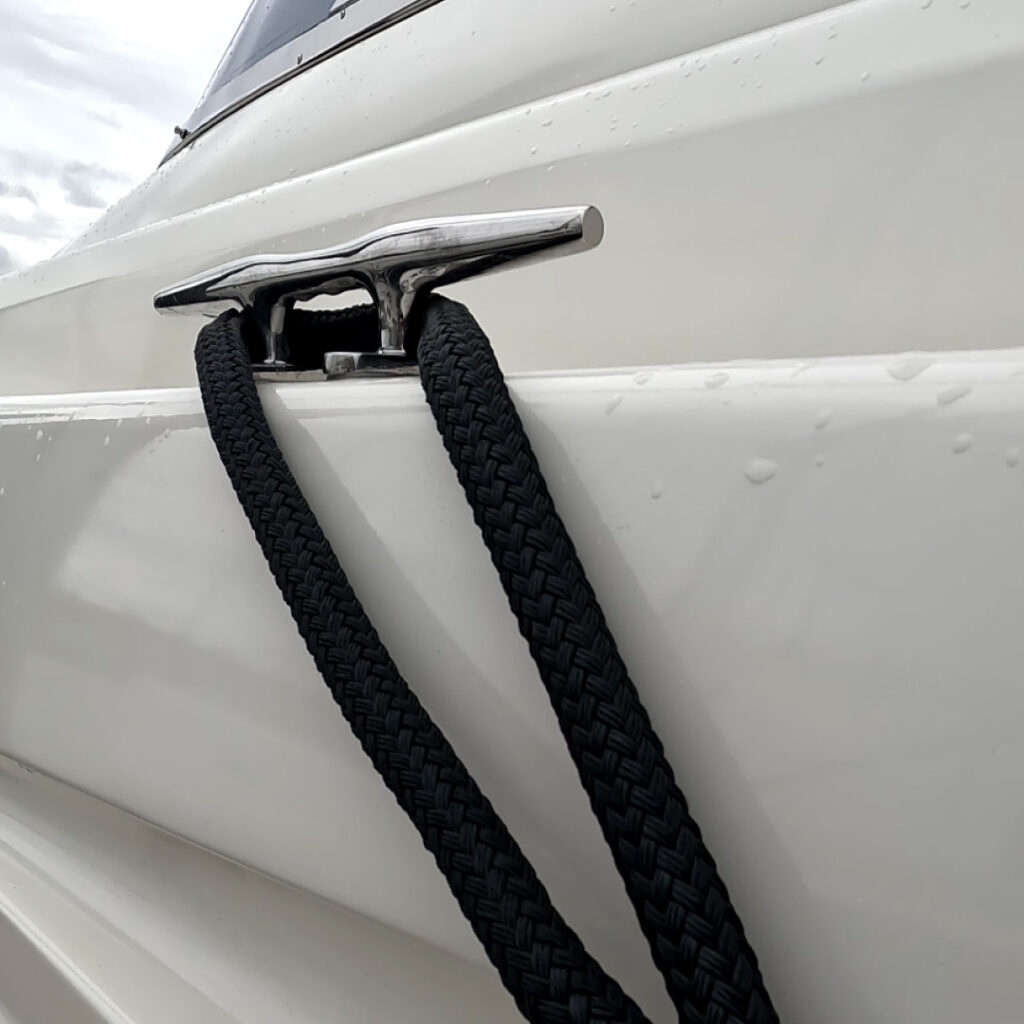
How to do it: Reinforce the mooring lines, especially at the bow and stern, and use springs to reduce the impact of the swell. Check the condition of the cleats and make sure the fenders are properly positioned and adjusted, taking into account tidal variations and the swell.
• Basement pumps: Basement pumps are essential for keeping accumulated water inside the home under control. If there is a leak or a significant accumulation of rainwater, their operation can make all the difference.
How to: Test the bilge pumps—both electric and manual—and verify that their float switches are working properly. When appropriate, simulate a small accumulation of water to check whether the pump starts and can drain it effectively. Clean the bilge and remove leaves, hair, grease, and other debris that could clog the intake. Since the pumps will be running regularly, make sure the batteries powering them are fully charged or connected to shore power.
• Battery management: Low temperatures can reduce battery performance, and the power consumption of bilge pumps or dehumidifiers can drain them quickly. In addition, the electrical connection to the marina may fail or cause galvanic corrosion.
How to do it: If the boat remains connected to the marina’s power supply, use a marine-suitable electrical rope with watertight and securely fastened connections. Make sure the battery charger is working properly and uses a float mode to prevent overcharging the batteries. Also check the condition of the zinc anodes, which protect metal components from galvanic corrosion, and replace them as needed.
• Care of the rigging and sails: On sail-boats, winter winds can cause damage to the sails, ropes, and rigging. A sail that is not properly furled or a loose halyard can repeatedly strike the mast, accelerating wear and tear on the components.
How to do it: Whenever possible, take down the sails—including the Mainsail and the Genoa—and store them in a dry, sheltered place. If they remain on board, make sure they are properly stowed and protected from the wind and rain. Stow and secure the halyards and other ropes to prevent them from slapping against the mast. Use appropriate protective covers on the furlers and the most exposed components.

FOR BOATS STORED ON LAND
Taking the boat out of the water for the winter allows you to inspect the hull and perform more thorough maintenance. However, dry storage also requires some precautions to prevent damage caused by moisture, rain, and prolonged inactivity.
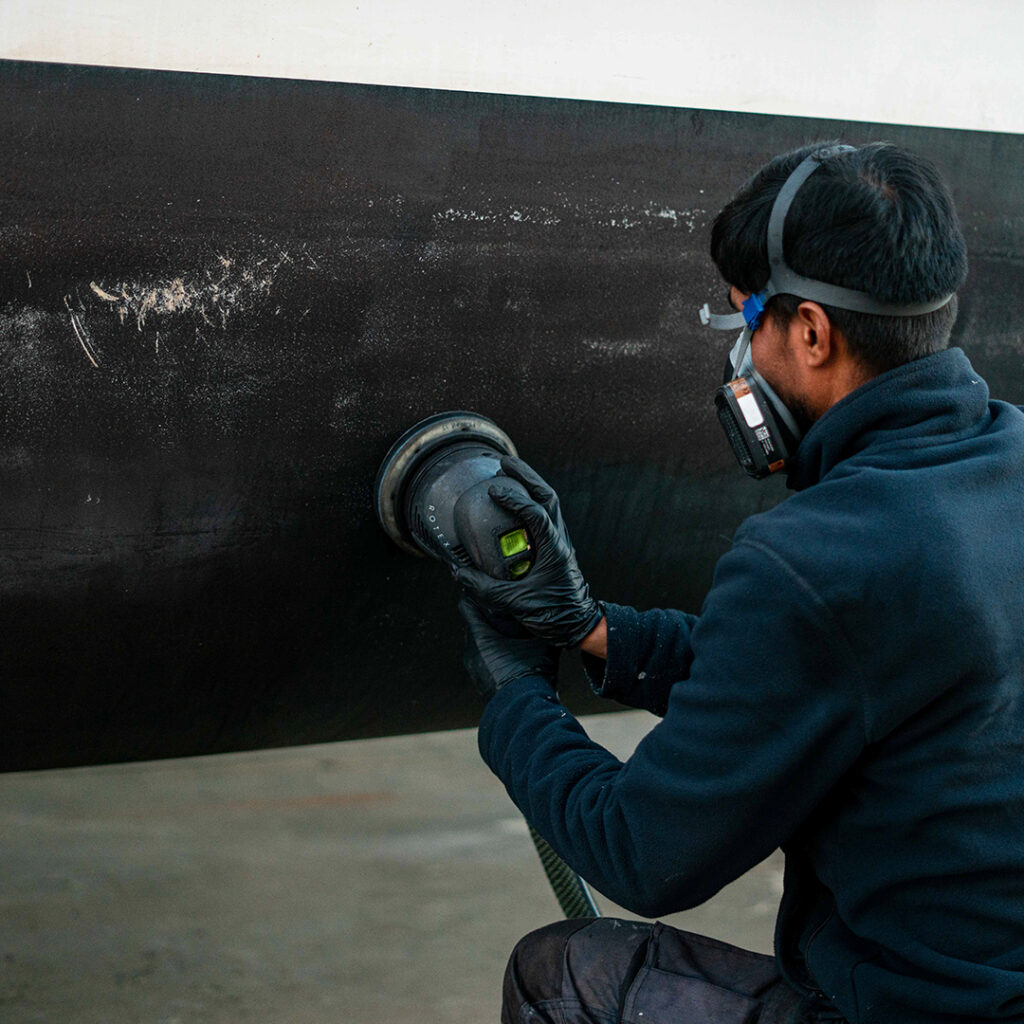
• General cleaning and inspection of the hull: After the water has been drained, marine organisms and debris accumulated on the hull can dry quickly and become more difficult to remove.
How to do it: Carefully wash the hull with a pressure washer and remove any debris that has accumulated on the hull, the centreboard, the rudder, and the propulsion components. Take this opportunity to perform a visual inspection and look for bubbles in the gelcoat, which may be a sign of osmosis, as well as cracks or play in the rudder and rudder shaft.
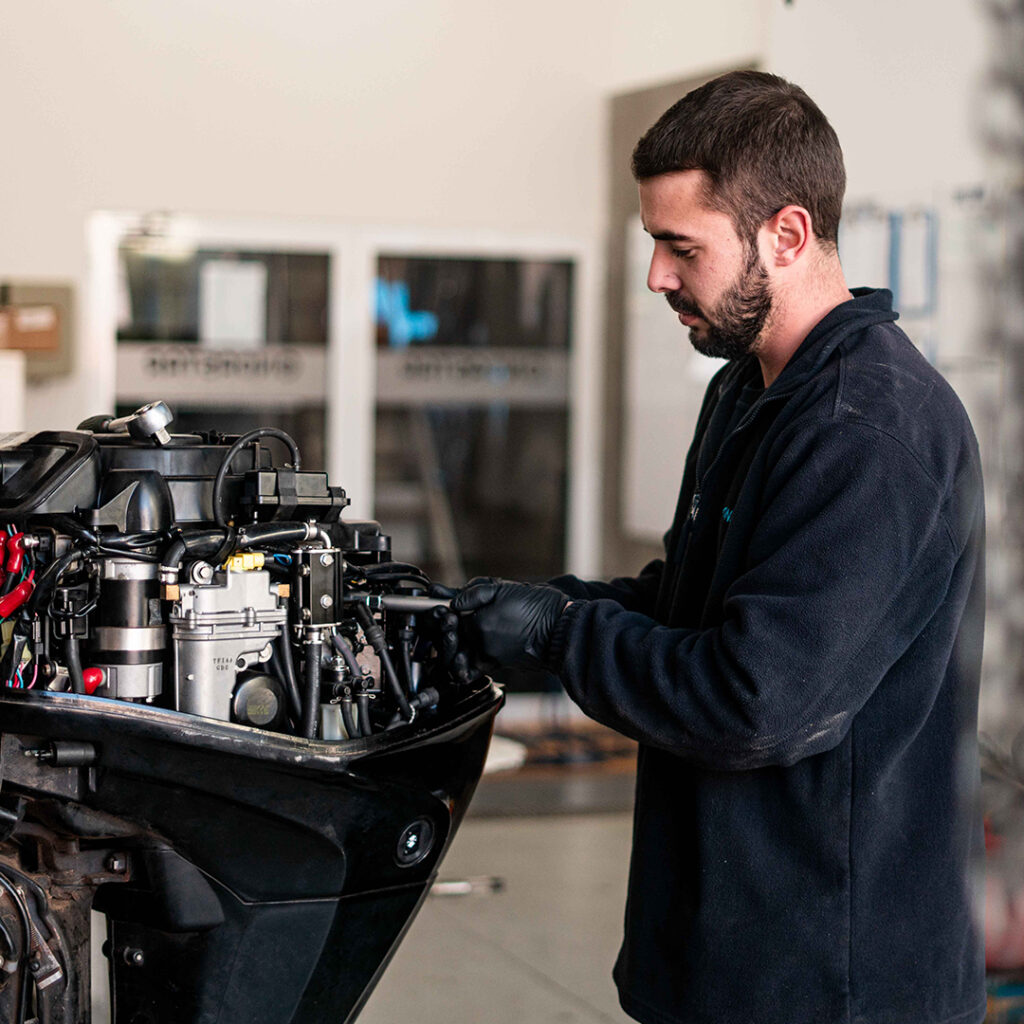
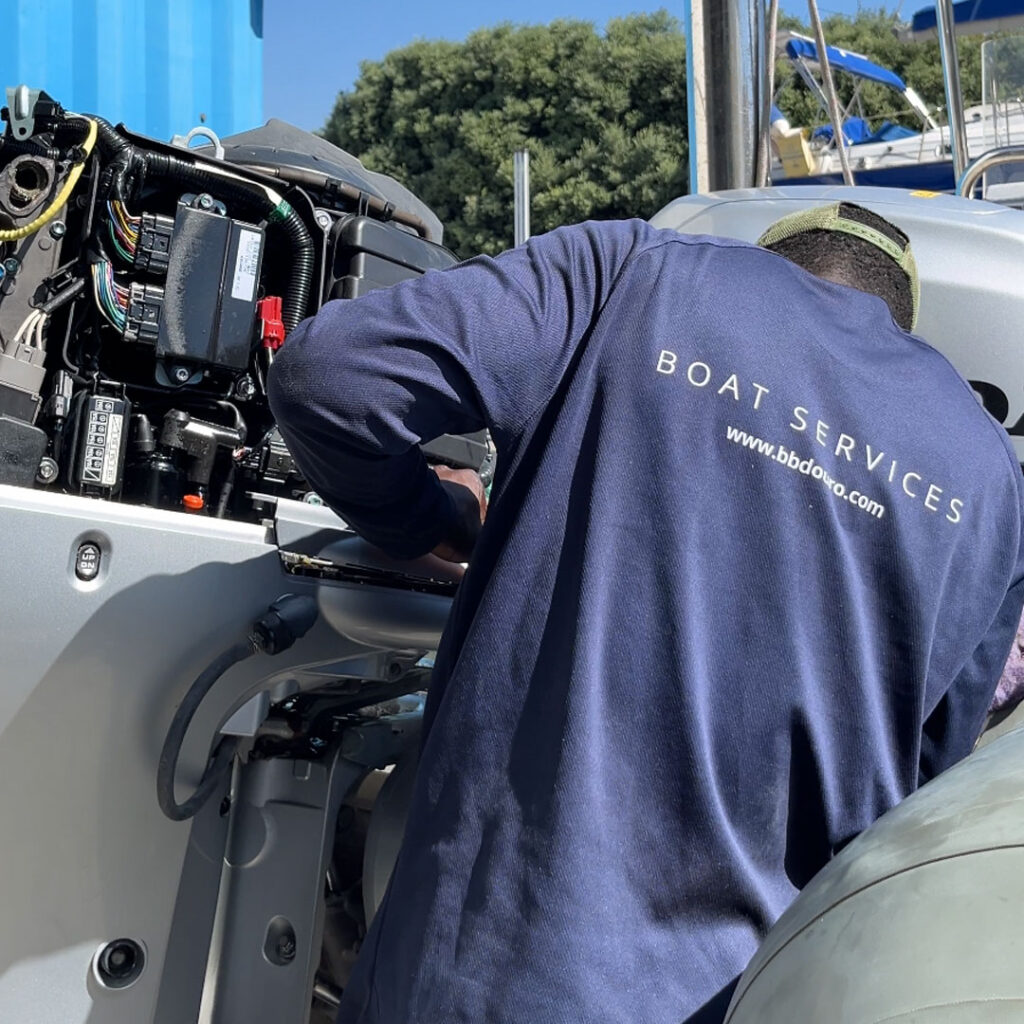
• Engine preparation: Water remaining in the cooling systems can promote corrosion and, in extremely cold conditions, freeze and cause damage to engine components. Preparation should be tailored to the type of engine and the manufacturer’s recommendations.
How to do it: For inboard engines, prepare the cooling system according to the manufacturer’s instructions. When applicable, flush the circuit with fresh water to remove salt deposits and use an antifreeze suitable for the system. Check the condition of the oil and filters, and protect exterior components from corrosion using products specifically designed for marine use.
For outboard motors, follow the manufacturer’s instructions for preparation and storage. For engines where applicable, store them in an upright position to allow water to drain from the cooling system. Rinse them with fresh water, check the condition of the gearcase lubricant, and look for signs of water contamination.
• Freshwater systems: Water left in tanks, pipes, and pumps can deteriorate during months of inactivity, damaging the pumps and plastic fittings.
How to do it: Drain the fresh water tanks by opening all the faucets and letting the pump run until the system is dry (be careful not to burn out the pump by letting it run dry for too long). Also drain the water heater and check to see if any water remains in the pipes and pumps. In the bathrooms, drain the circuits according to the manufacturer’s recommendations and, when necessary, use an antifreeze specifically designed for marine plumbing systems.
• Interior protection: A closed boat can accumulate moisture and develop mold. The interior can also attract rodents and other pests seeking shelter.
How to do it: Remove any items that can absorb moisture—such as pillows, mattresses, curtains, and clothing—and store them in a dry, well-ventilated place. Leave interior doors, cabinets, and drawers open to promote air circulation. If the refrigerator is turned off, leave the door slightly ajar to prevent odors from forming. Place moisture absorbers in the cabins and the lounge, and, if necessary, take appropriate measures to prevent pests.



DRY STORAGE
Preparing your boat for winter is an act of care and responsibility. However, when you want complete peace of mind and safety, relying on professionals makes all the difference.
That’s where BBDouro Boat Services comes in. We offer transportation and storage services that ensure your boat’s safety during the off-season. At our warehouse in Grijó, Vila Nova de Gaia—which spans approximately 1,000 m², is easily accessible, and is equipped with modern security systems—we ensure your boat is stored with the utmost care, allowing you to enjoy the peace of mind that comes with knowing it’s in good hands.